Friday, October 14, 2011

How is High Fructose Corn Syrup Really Made?


It is safe to say that the majority of processed foods have high fructose corn syrup (HFCS) as one of their ingredients. And I know I have talked about this food like substance before- here's a link. I hate to run the risk of being redundant, but I find it that important to spread the word about how dangerous HFCS really is. Below is an excerpt from an article on how HFCS is actually made. 
Manufacturing high fructose corn syrup isn’t simple, it is not natural, and the results certainly aren’t healthy. The first clue that this ubiquitous sweetener might not be natural hits you when you find out what type of corn is used to make it. Instead of using tasty, tender kernels of organically grown heirloom sweet corn, manufacturers use tough, starchy kernels of genetically modified dent corn—the starchier the better. If you’ve ever driven through Iowa, you’ve probably seen acres and acres of this corn being grown, and you might have been tempted to stop the car and snatch an ear or two of farm grown goodness. If so, you’d be in for a rude surprise. This corn tastes terrible. It turns into a nasty paste in your mouth.
The sad truth is that American farmers grow billions of bushels of corn that no human being, including their families, can eat. A whole lot of this corn goes to feed livestock, some is used to make ethanol, and another significant batch is used to make corn syrup. Since 1995, the American taxpayers have shelled out about $77 billion in corn subsidies. With this financial incentive, Americans grow way too much corn, and a lot of it sits around for many months before being used. Traveling through the Midwest, you’ll find mountains of corn kernels sitting next to stuffed siloes. These dried-out, tough, starchy kernels of corn are the basis of high fructose corn syrup.
The first step in making this “natural” sweetener is turning these leathery nuggets into corn starch. Most manufacturers use a wet milling process that involves warm water and a small amount of a caustic substance like sulfur dioxide. Once you’ve got your corn starch, you treat it with an enzyme called alpha-amylase to produce shorter chains of sugars called polysaccharides. Alpha-amylase is usually manufactured using the Bacillus species of bacteria. You may or may not gain a measure of comfort knowing that the industrial plants that produce alpha-amylase purify it before shipping it off to the plants that manufacture high fructose corn syrup.
Once we’ve put our cornstarch through the alpha-amylase step, we need to introduce an enzyme called glucoamylase. This will break the sugar chains down even further and yield the simple sugar glucose. In case you’re wondering, manufacturing glucoamylase requires no bacteria. They use a fungus called Aspergillus. If you could examine the fermentation tanks where this process takes place, you’d see cute little balls of Aspergillus floating on the top of the vat. Kind of whets your appetite, though, don’t it?
Let’s see, we’ve subjected our tough kernels of dent corn to a bit of sulfur dioxide, alpha-amylase, and glucoamylase so far, so what’s our next step to make this simple corn sugar? Oh yes, we now need to get our hands on a rather expensive enzyme called glucose-isomerase. Don’t worry too much about the cost. Unlike the caustic substance and the other two enzymes, glucose-isomerase is reusable because it is packed in columns and the sugar mixture is passed over it.
So, do we have high fructose corn syrup yet? Nope!
We still need to go through a liquid chromatography step which will bring the mixture up to 90 percent fructose, and then we’ll need to add our high fructose substance back into the original mixture until we achieve the 55 percent fructose point that commercial food producers prefer for ideal sweetness.
That’s all there is to it! (original source)

There is even a documentary about making high fructose corn syrup. Below is a snip-it from King Corn.


Want to see what pure propaganda looks like? This is what the Corn Refiners Association has to say about high fructose corn syrup, and these are their websites....SweetSurprise.com and CornSugar.comNotice how the people who are against it in the beginning act dumb as S-H-I-T when they are asked "what's wrong with high fructose corn syrup?". 


NOTE: This is what the Corn Refiners Association things of YOU (as well as the government since they subsidize all this corn production). What would you say if I portrayed you as being this stupid and manipulable. You'd be like, "I'm not reading that chick's F-ING blog anymore!!"


I know you aren't dumb. Don't eat it. Making this one change to your diet will make a HUGE impact. Read the labels! 


Nuff said! 

Thursday, October 13, 2011

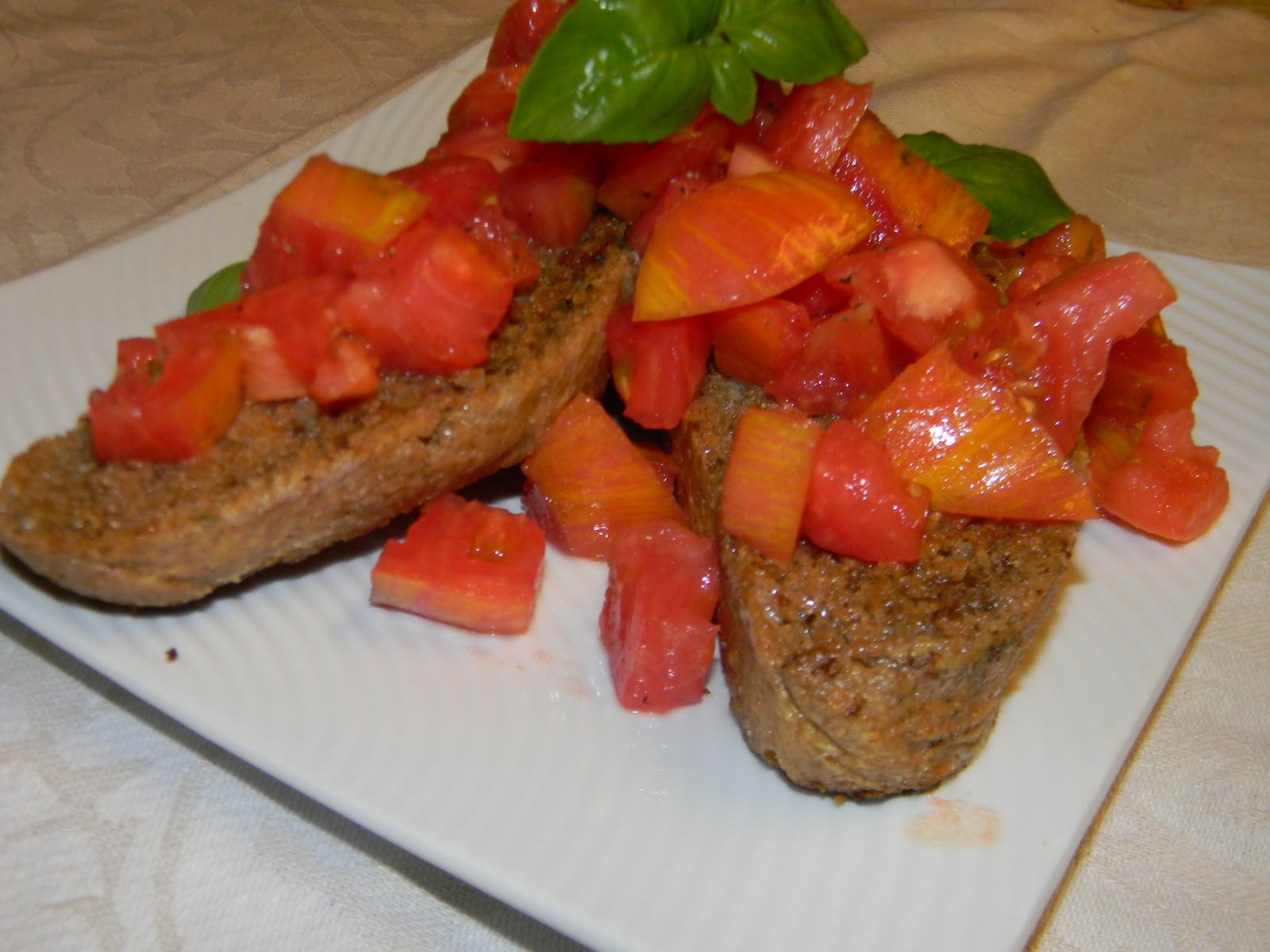
The Best Sandwich Ever- Part II


Umm...delicious! And simple.

So I made the bread this afternoon. It is so easy and only takes about 10 minutes of your time. The rest is just time for the dough to rise and baking time.

Bread Recipe:

  • 2 c. whole wheat flour
  • 1 c. bread flour
  • 1 1/2 c. water
  • 1 pkg. yeast
  • 1/2 tsp. sugar
  • 1/2 tsp. salt
  • olive oil, drizzle
Knead 10 minutes. TIP: if you have a Kitchen-aid mixer, attach the dough hook turn it on and just add the ingredients in as it does the work. It does not need to be dough before you use the hook. Let rise for 45-60 minutes. Bake in 350 degree oven for 35 minutes. Oh yeah, I almost forgot....this time I put fresh chopped garlic and thyme in it.

See the slivers!!! This addition really gives it some
great flavor and aroma.
Time to make the sandwich...

cut slices
heat butter
choose tomatoes
chop tomatoes
add salt and pepper
cook each side in butter- think crispy like grilled cheese
top with any herb or not...I chose basil
What an amazingly simple meal! I might have this for breakfast too! Kidding, how can I skip my morning smoothie?

(You might say that is quite a large portion of bread! I normally only eat bread/refined carbs at one meal if at all. The rest of today I ate a giant smoothie, salmon salad {canned salmon, canola mayo, celery, carrots, spicy mustard}, tossed salad w/ homemade parmesan pepercorn dressing, and this sandwich. Not too shabby!!!

Mid-day Revalations


I can honestly say that I just had an a-haaa! moment (followed by a DUH! moment). I was stressing in my head over all of the things that I signed myself up to do and all of the things that are required of me over the next few months. And just like that, I said to myself, "Self, you are always going to be busy. There are always going to be too many things to do and not enough time. But it doesn't matter, because as long as you have mostly productive days and strive to move forward with your goals, you will be doing a great job."

Talk about improvement! A year ago I would have worked myself into a panic attack at 6:30 AM. Thank goodness that I do not have anxiety anymore! Other things I learned today:

  • how to get yourself kicked off of Twitter in 1 business day
  • I love working from home...I get so much more done.
  • the active time (meaning the time you actually have to be doing something) for baking bread is about 10 minutes, give or take, unless you want to get fancy. Why don't more people make their own delicious bread?
  • I hate working out. Lucky for me I trade my website skills for my 5STAR's workout skills.
  • S-H-I-T I have to weigh-in tomorrow and I just thought about all of the damage I did during my non-stop-birthday-blowout-weekend and my insufficient workouts since.
  • I actually do like chicken (it came from the farm, not a factory so I feel better about eating it). Especially when the Boyfriend cooks it for me! We have a new chef in town!!! 
  • Maybe all of the chicken I ate this week will turn into muscle to counteract all of the fat that I probably gained back. 
  • My taste buds are changing and I am starting to not notice the vegetables in my smoothies as much.
Looks good doesn't it? haha
Trust me this was amazing compared to what I thought it was going to taste like. Today's green smoothie was:
  • 1/2 pineapple
  • 1 green apple
  • green grapes
  • 1/2 cucumber
  • spinach, large handful 
  • kale, handful
  • water
You might get another post from me later when my bread is done and I turn it into a deliciously simple meal. I'm sorry but I wish I could give you food through the computer. Hey Google or Mark Zuckerberg....maybe you could start working on that.

GMO's (Genetically Modified Organisms)

Link to artwork

I have been hearing about GMO foods more and more recently and thought it would be prudent to do a little research. What I have found is pretty disturbing. It all leads back to one company, Monsanto, and their monopoly on the agriculture business. I am not anti-big business. I am anti-big-businesses-that-are-in-bed-with-big-government.


Now how do scientists make genetically "superior" plants? Bacteria. Sounds like it could be a public health concern right? Yeah, I thought so too.


FYI...it's not just corn and soy that is being genetically modified.

You may be aware that many corn and soy crops in the United States are GM, but it may surprise you to learn that a significant portion of U.S. milk is actually genetically engineered, again thanks to Monsanto. This milk, and the ice cream, cheese, and myriad of other dairy products made from it, contains genetically engineered bovine growth hormone, or rBGH.
U.S. milk producers treat their dairy cattle with rBGH because it boosts milk production. But this artificial growth hormone also increases udder infections in cows, leading to pus in the milk along with excessive use of antibiotics in the cows, which is triggering the creation of antibiotic-resistant superbugs and leaving residues of antibiotics in your dairy. Worse still, milk treated with rBGH also contains higher levels of insulin-like growth factor (IGF-1), a hormone linked to breast, prostate and colon cancers in humans. (original source)
Numerous studies have shown that GM corn causes significant changes to blood cells, kidneys, and the liver. It has also been blamed for potentially life-threatening allergies that have occurred in some people.  Even if this sweetener had any health benefits (and it doesn't), the risks of consuming a substance made from genetically modified corn would not be worth the rewards. Why then, would you want to take the risks when there are absolutely no health rewards? (original source)


The simplest way to avoid GM foods is to buy whole, certified organic foods. By definition, foods that are certified organic must never intentionally use GM organisms, produced without artificial pesticides and fertilizers and from an animal reared without the routine use of antibiotics, growth promoters or other drugs. Additionally, grass-fed beef will not have been fed GM corn feed.
You can also look for foods that are "non-GMO verified" by the Non-GMO Project. 


I do not buy all organic fruits and vegetables, but I do buy strictly organic dairy, I have stopped buying heavily processed foods, stopped buying anything with soy in it, and buy my meat and eggs from a local farm. You do not have to go 100% organic to get most of the benefits of eating a non-GMO diet. 

Wednesday, October 12, 2011

Stop Getting Sick... Go Tanning!


It is that time of year. The sun is going down around 7pm. The leaves are starting to change colors. People are getting sick. NOT ME!

In the summer I make a point to get as much sun as I possibly can. I sit in the sun for about 20 minutes without any sunscreen on and soak up the rays. Then of course I lather up with 30-50 SPF depending on my length of time I plan on being at the beach. I used to, however, put sunscreen on before I even left the house. I used to get sick quite a bit.

I never get sick in the summer any more, but usually I am fighting off colds all winter long popping vitamins and drinking loads of tea. Well last year I started tanning regularly around the holidays because I had been sick a handful of times that fall, and guess what? I stopped getting sick.

Almost everyone I talk to about the fact that I tan (in tanning beds) says "What the hell are you doing? Tanning beds cause skin cancer!" Well I beg to differ. BURNING causes skin cancer. The tanning beds give off the same types of light as natural sunlight. Tanning has received bad press because of everyone's fear of skin cancer and wrinkles. Misinformed politicians are sticking their noses where they don't belong (where do they belong?) and scaring people into believing something that is just wrong. The sun should not be feared...they key is to not burn. At the end of every summer, before my tan fades, I start tanning a few times a week. I start off with a few minutes (4-5) and work up over the course of a month or so to 9-10 minutes.

I don't usually get sick. However, sometimes when I let myself get rundown and low on sleep, I start to feel that pre-sick feeling- like you know that if you don't do something fast you are going to be full blown sick. That happened to me on Monday (the day after my nonstop-blowout-birthday-weekend). In the middle of the day I started to feel that back of the throat tickle, ache behind the eyes, ears are getting clogged feeling. Lucky for me I live 1/2 mile from the beach, I was at home, and we were at the end of an Indian summer. Needless to say I went and plopped my exhausted self on the beach for about 2 hours with no sunscreen. I didn't feel better right away, but low and behold I woke up yesterday morning and felt completely fine!

I urge everyone who lives in colder climates to think about tanning in the winter. Do your own research, and no matter what DON'T LET YOURSELF BURN! Below is a brief video and some great information on sunlight, vitamin D, and cancer prevention.


New Model Of Cancer Development: Vitamin D is the Key By Dr. Mercola (Original Source)
Researchers studying the preventive effects of vitamin D on cancer have proposed a new model of cancer development that hinges on a loss of cancer cells' ability to stick together. The model, dubbed DINOMIT, differs from the older model of cancer development, which suggests genetic mutations as the earliest driving forces behind cancer. 
"The first event in cancer is loss of communication among cells due to, among other things, low vitamin D and calcium levels," said epidemiologist Cedric Garland. "This loss may play a key role in cancer by disrupting the communication between cells that is essential to healthy cell turnover, allowing more aggressive cancer cells to take over." 
Garland suggests that such cellular disruption could account for the earliest stages of many cancers. Previous theories linking vitamin D to certain cancers have been tested and confirmed in more than 200 epidemiological studies, and understanding of its physiological basis stems from more than 2,500 laboratory studies. 
Each letter in DINOMIT stands for a different phase of cancer development – disjunction, initiation, and natural selection, overgrowth of cells, metastasis, involution, and transition.
While there is not yet definitive scientific proof, Garland suggests that much of the evolutionary process in cancer could be arrested at the outset by maintaining adequate vitamin D levels. This latest study, published in the Annals of Epidemiology, is yet another piece in what’s turning into a mountain of evidence showing vitamin D’s effectiveness for a wide variety of cancers. 800+ links showing vitamin D’s effectiveness on cancer The idea of getting sun exposure in order to stay healthy is such a simple strategy it’s easily dismissed in this age where so many folks believe health comes in a pill and costs a fortune. But it’s true, and with the mounting evidence, not even conventional medicine can ignore it any longer. 
In fact, some of the top vitamin D experts in the world believe optimizing your vitamin D levels by getting proper sun exposure is the next largest variable after smoking that can influence whether or not you’ll get cancer. 
I am a bit surprised at that comment as from my understanding vitamin D has a far more profound impact on cancer. Vitamin D seems to universally lower risk for nearly all cancers where smoking is primarily restricted to lung cancer. And if you took vitamin D as a smoker you would still radically reduce your cancer risk.
Here’s why:  
  • Receptors that respond to vitamin D have been found in almost every type of human cell, from your bones to your brain.
  • Your organs can convert the vitamin D in your bloodstream into calcitriol, which is the hormonal or activated version of vitamin D. Your organs then use it to repair damage, including that from cancer cells.

So how can you get enough vitamin D? Well, you can get it in your diet by eating fish or taking vitamins, however there are a few problems with those options. First is that you would have to eat a ridiculous amount of fish to obtain the daily requirement, and second when you take an oral vitamin D pill it is the end result. When your body absorbs sunlight (UVA & UVB rays) there are several steps from absorption to synthesis of vitamin D, all are equally important. 

It’s important to realize that your ideal source is from appropriate sunshine exposure. Your body can safely create as much as 20,000 units a day this way, without any risk of overdosing – a factor you’ll have to contend with if you’re taking oral supplements.

Tuesday, October 11, 2011

A Bitter Pill to Swallow...how vitamins may not actually be healthy


I have a different view than most on vitamins. I used to take them... loads of them from time to time. I also never watched what I ate. A couple things happened to change my views on whether taking vitamins is appropriate or not. 

The first was Nani getting diagnosed with stage 4 pancreatic cancer. She always took a lot of vitamins, and always pushed them on me regardless of how good or bad I was feeling.  If I was sick the first thing she asked me was "Did you take lots of vitamin C and zinc?". It was one of the dreaded topics of conversations I used to have with her (the others were my period and PMS, saving money, having safe sex, and dressing to stay warm- this continued until she died...I was 27 years old and very well at judging how to dress for my comfort level). She would have recommendations of what I should be taking- vitamin C, fish oil capsules, iron, zinc and echinacea were her usuals. A new one would creep in every once and a while; I assume after she got done reading the latest article about miracles in pills.  Anyway, I took many different kinds for years. I took selenium for my brain, vitamin E for my skin, iron for my energy,and a multi-vitamin among others.

Before Nani was diagnosed, I had thought she was relatively healthy and that she would be around for a long time. This came as a great shock to us all, especially considering we knew how fast the disease would take her. My world was blown, because I was under the impression that vitamins will make you and keep you healthy. As some of you may be aware, I put myself in charge of researching foods that would keep Nani strong and healthy through chemo. This is where I started to learn how foods have vitamins in them. I am laughing at this now, because it seems so ridiculous that I didn't think that before, but I really didn't give healthy foods any weight. This is also where I was introduced to the "fresh and raw" movement. 

The second thing that changed my view on taking vitamins was the addition of fruit and vegetable smoothies into my diet a few months ago. I literally never felt half as good when I was taking vitamins as I do now just eating a whole lot of whole fruits and vegetables. It seems absurd to me now, knowing what I know, that more people don't know that you don't need to spend hundreds and thousands of dollars on vitamins and minerals if you eat a wide variety of fruits, vegetables, whole grains, beans & legumes, and get a little sun. That's it! 

In my humble opinion, the only time a vitamin should be used is for a brief period to normalize your levels while you change your diet to incorporate more of those vitamin-rich foods. Your body absorbs vitamins and minerals from the food you give it! It is quite simple. We are literally machines for breaking down food into teeny tiny parts so that our bodies can use those parts to function properly. Did you know that every organ in your body is used for digestion? Every single one of them!

Enough preaching. Below is a brief article about the risk of taking unnecessary vitamins. I urge you to do some research and use a little common sense on this issue. The more fresh, raw, healthy, whole foods you incorporate into your diet, the more your body will pull out in the form of vitamins and minerals. 

Vitamins linked with higher death risk in older women By Michelle RobertsHealth reporter, BBC News (Link to Original Article)
When it comes to vitamins, it appears you could have too much of a good thing, say researchers who report a link between their use and higher death rates among older women.Experts have suspected for some time that supplements may only be beneficial if a person is deficient in a nutrient. 
And excess may even harm, as the study in Archives of Internal Medicine finds.All of the women, in their 50s and 60s, were generally well nourished yet many had decided to take supplements. 
Multivitamins, folic acid, vitamin B6, magnesium, zinc, copper and iron in particular appeared to increase mortality risk.The researchers believe consumers are buying supplements with no evidence that they will provide any benefit. 
Harms v Gains 
They are quick to stress that their study relied on the 38,000 US women who took part in it recalling what vitamins and minerals they had taken over the previous two decades.And it is difficult to control for all other factors, like general physical health, that might have influenced the findings. 
But they say their findings suggest that supplements should only be used if there is a strong medically-based cause for doing so because of the potential to cause harm."Based on existing evidence, we see little justification for the general and widespread use of dietary supplements," Dr Jaakko Mursu of the University of Eastern Finland and his research colleagues said. 
Less is More 
Conversely, calcium supplements appeared to reduce death risk. However, the researchers say this finding needs more investigation and they do not recommend that people take calcium unless advised to by a doctor in order to treat a deficiency. 
In the study, iron tablets were strongly linked with a small (2.4%) increased death risk, as were many other supplements. The link with iron was dose-dependent, meaning the more of it the individual took, the higher their risk was.  
Drs Christian Gluud and Goran Bjelakovic, who review research for the Cochrane Database of Systematic Reviews to evaluate best evidence, said: "We think the paradigm 'The more the better' is wrong." 
They say dietary supplementation has shifted from preventing deficiency to trying to promote wellness and prevent diseases, and caution: "We believe that for all micronutrients, risks are associated with insufficient and too-large intake." 
Helen Bond of the British Dietetic Association said some people, like the elderly, might need to take certain supplements. For example, vitamin D is recommended for people over the age of 65. 
But she said that generally, people should be able to get all the vitamins and minerals they needed from a healthy, balanced diet. 
She said some took supplements as an insurance policy, wrongly assuming that they could do no harm. "But too much can be toxic and it is easy to inadvertently take more than the recommended daily amount." 
Link to Original Article

I thought it would be good to include a brief summary of which vitamins and minerals are in which foods. If you have any more questions on this, just email me at jessicageier@gmail..com and I can point you in the right direction, but as you can see from below, if you eat a variety of fresh, raw, healthy, and whole foods you will get all of your vitamins and minerals.
  • Vitamin A
    • whole eggs
    • dairy
    • beef liver (yum!)
    • dark green veggies
  • B vitamins
  • Vitamin C
    • fruits, especially citrus, kiwi, strawberries, tomato, watermelon, bananas
    • vegetables- green peppers, broccoli, carrots, potatoes 
  • Vitamin D
    • sunlight
    • fatty fish
    • egg yolks
    • beef liver
  • Vitamin E
    • vegetable oils 
    • nuts
    • beans
    • whole grains
  • Vitamin K
    • dark green leafy veggies & cabbage
    • beef liver (AGAIN?)
    • the bacteria in our intestines can synthesize vitamin K when they are healthy
  • Calcium
    • dairy
    • dark green vegetables
    • seaweeds
    • sesame
    • soy (I would not recommend this as an option)
    • almonds
  • Fluoride
    • tea
    • seafood
    • also found in fluoridated water which should be considered toxic but is still forced on us
  • Iodine
    • seafood
    • iodized salt (use sea salt instead- it has all of its trace minerals still intact)
  • Iron (absorbed better when eaten with vitamin c rich foods)
    • red meat
    • organ meats
    • fish
    • poultry
    • eggs
    • beans
    • lentils
    • green leafy vegetables
    • dried fruits
  • Magnesium
    • green leafy vegetables
    • legumes
    • nuts
    • seeds
    • whole grains
  • Phosphorus
    • most foods including animal and plant
  • Potassium
    • most foods including animal and plant
  • Selenium
    • meat
    • chicken
    • fish & seafood
    • brazil nuts
    • whole grains
    • garlic
    • mushrooms
  • Sodium
    • sea salt
    • soy sauce
    • sea vegetables
  • Zinc
    • meat
    • poultry
    • seafood
    • eggs
    • dairy
    • whole grains
    • legumes
SIDE NOTE: Taking vitamins during pregnancy is a different story, and I probably will not write about it until I am forced to when I become pregnant and have to make the choice for myself (hopefully it will be a while...not there yet if you know what I mean). Until then it would be based on my beliefs now. I would think they might change a little if I have another human being growing inside of me. 

If you are pregnant and have had this dilemma yourselves I would love to hear about it. Please comment!

10/12/10 UPDATE
 As I was looking on Self Magazine's website (for other reasons) I found an article on their Healthy Self Blog on the dangers of vitamins. Read below: 

Study Points to Dangers of Vitamin Supplements

 By Healthy Self Blog

This study might make you think twice about popping a multi. A 19-year analysis of almost 39,000 women found that those who took dietary supplements including multivitamins, vitamin B6, folic acid, iron, magnesium, zinc and copper were at a higher risk of death than women who did not.
The study was conducted by researchers at the University of Minnesota and the University of Eastern Finland, who believe there's no reason for the average healthyperson to take dietary supplements.
"Based on existing evidence, we see little justification for the general and widespread use of dietary supplements," the authors wrote. "We recommend that they be used with strong medically based cause, such as symptomatic nutrient deficiency disease."
Participants were around age 62 at the start of the study in 1986. Among them, those who took supplements had about a 2.4 percent increased risk of dying over the course of the study, compared with women who didn't take supplements. Only the women who took calcium supplements had a reduced risk of dying.
Doctors Goran Bjelakovic of the University of Nis in Serbia and Christian Gluud of Copenhagen University Hospital in Denmark wrote in an accompanying commentary that the findings "add to the growing evidence demonstrating that certain antioxidant supplements, such as vitamin E, vitamin A and beta-carotene, can be harmful." But they added that vitamin D3 may be beneficial to some older women, and possibly older men.
Rania Batayneh, MPH, nutritionist and owner of Essential Nutrition For You, agreed that while getting nutrients through food is ideal, women may need to supplement their diets with additional calcium and vitamin D3.
"Women
50 and younger need 1,000 daily milligrams of calcium, but most of us can get there with few daily servings of dairy and veggies," she says. 
Batayneh also recommends folic acid for women in their childbearing years, which is found in prenatal supplements. And despite the study, she still thinks a good multivitamin is fine for most women and reduces the need for additional supplementing. 
But when possible, "Food really is medicine and there is nothing that compares with a healthy balanced diet," she says.
"Before you pop supplements, first tally how much calcium you get from your typical diet, and then use supplements to make up the difference of what you're missing from food."
it's better to get your nutrients from food.

Monday, October 10, 2011

Do What You Love & Love What You Do


I have struggled with this since I took the job in Atlanta right after graduation that I knew I didn't want. I took it because it was a great salary right out of grad school, and the thought of moving to a new city was exciting. While I loved my weekends out on the town, I dreaded the week days that were filled with anxiety, boredom, and doing stupid S-H-I-T-T-Y work that I didn't care about.

Next up was a stint designing clothing. At first it was interesting because I was learning a lot. But once that learning curve was over I quickly grew tired of the work. I wasn't in love with it.

After that I started working with my father on a few of his small businesses. While I enjoy the work (a lot of graphic design, websites, and organizing), the flexible schedule, and getting to see him every day, after about a year and a half I was loosing enthusiasm for what I was doing.

I am now 29 and I just recently I had a heart to heart with myself about what it is that I love doing. I love to cook. I could do it all day every day. I love organizing things- a closet, a filing cabinet, my garage- it doesn't matter. I love designing- graphic design, interior design. I love making things- hair clips, things out of concrete, paintings. I love learning new things- I have had a new found love (some would call it an obsession) with eating healthy to prevent cancer and other chronic illnesses.

I realized that I need to focus on what I love doing. I am not good at being unhappy. I have always heard that if you do what you love then the rest will fall into place. I have previously taken jobs because of the money, and it backfired. Until recently I never really thought about how I could incorporate what I love doing into a career.

I suggest everyone think about it. You may find that you really do love what you do- if so congratulations! You may realize that you are not really doing something that you love, but may not be able to make a career change right away. That's OK. At least it will give you something to look forward to and be excited about. Ultimately you can change your career, I have done it 3 times already. Yeah I took a huge pay cut, but what I am doing now does not seem like work. I get to learn new things every day, cook and tell people about it, and make positive changes in my life. The money will come. (I never turn down donations if you are feeling generous today ;) And at the end of the day, I would much rather be a little bit poorer and doing something that I love than richer with miserable days.

Think about it...you spend at least 8 hours a day at work, with your crappy coworkers, doing work that you probably don't care about. That is 1/3 of your life.

It is sad when you see people who really love what they do pass away at an early age. I know it is old news that Steve Jobs died, but I thought it appropriate to include something he said because it's right in line with what I am writing about.
"Your work is going to fill a large part of your life, and the only way to be truly satisfied is to do what you believe is great work. And the only way to do great work is to love what you do," he told the Stanford grads in 2005.
"If you haven't found it yet, keep looking. Don't settle. As with all matters of the heart, you'll know when you find it. And, like any great relationship, it just gets better and better as the years roll on."
Food for thought!

Saturday, October 8, 2011

The War on Cancer: Focusing on the Wrong Things

The "War on Cancer" was started in 1971 with President Nixon's National Cancer act. The goal was to throw billions of dollars towards finding a cure for cancer by increased research to improve the understanding of cancer biology and the development of more effective cancer treatments, such as targeted drug therapies (i.e. chemo and radiation).


Are we any better today?


What if they were not looking in the right places? Many of the doctors, PhD's and scientists who I have been studying and have come to admire are saying that the way we eat has a major effect on how our body protects itself against cancer, among other chronic illnesses like heart disease and diabetes. This makes complete sense to me because everything you put into your mouth has to be broken down to its molecular level to be absorbed or eliminated by your body. We have powerful bio-computers inside of us that are experts in protecting us from sickness and disease...if we let them. 


I have written before on sugars and its effects on cancer prevention. Here is an article I came across from Dr. Mercola on how fructose specifically is the cause for cancer's proliferation. 

Is this Simple Sugar a Major Factor in the Failure of the War on Cancer? 
By Dr. Mercola (Link to Original) There's compelling evidence and agreement by many experts that excessive fructose is toxic to your body. Unlike fructose, nearly every cell in your body can directly use glucose. However fructose is primarily metabolized in your liver and can serve as a substrate for increasing cancer cell growth.  
Fructose Helps Cancer Cells Thrive 
ALL forms of sugar are detrimental to health in general and promote cancer, but in slightly different ways, and to a different extent, as I'll explain later. Fructose, however, clearly seems to be one of the most harmful sugars. A new article in Expert Opinion on Therapeutic Targets reviewed the relationship between increased dietary refined sugar and cancer risk, with specific emphasis on the monosaccharide fructose. The researchers noted:

"Recent observations indicate that cancer cells readily utilize fructose to support proliferation and preferentially use fructose for nucleic acid synthesis."
They named several ways in which dietary fructose can promote cancer growth, including: 
·         Altered cellular metabolism
·         Increased reactive oxygen species (free radicals)
·         DNA damage
·         Inflammation
 
Research published in the journal Cancer Research also showed that the way the different sugars are metabolized (using different metabolic pathways) is of MAJOR consequence when it comes to feeding cancer and making it proliferate. According to the authors: 
Click image to enlarge
" Importantly, fructose and glucose metabolism are quite different ... These findings show that cancer cells can readily metabolize fructose to increase proliferation." In this case, the cancer cells used were pancreatic cancer, which is typically regarded as the most deadly and universally rapid-killing form of cancer. The study confirms the old adage that sugar feeds cancer because they found that tumor cells do thrive on sugar (glucose). However, the cells used fructose for cell division, speeding up the growth and spread of the cancer. 
Why is This a MAJOR Threat to Public Health?  
Whether you're simply interested in preventing cancer, or have cancer and want to live longer, you ignore these facts and listen to industry propaganda that fructose is safe and no different from other common sweeteners at your own risk. The truth of the matter is that fructose may very well be the most pernicious influence in the Standard American Diet, and is virtually guaranteed to cause chronic disease if consumed in excess. 
The major problem is, the vast majority of Americans are consuming fructose at levels 3-600% of the upper limit! Further, most people are seriously confused about fructose and still believe it is a "healthy" type of sugar because it is found naturally in fruits and touted as having a low glycemic index. But this is not a matter of eating an apple or a handful of raisins as a snack. Fructose, in one form or another, can be found in five of the 10 top sources of calories in America, and in some cases (particularly when processed or from a restaurant) may actually be in ALL of them: 

  • Grain-based desserts (cakes, cookies, donuts, pies, crisps, cobblers, and     granola bars) 139 calories a day
  • Yeast breads, 129 calories a day
  • Chicken and chicken-mixed dishes, 121 calories a day
  • Soda, energy drinks, and sports drinks, 114 calories a day
  • Pizza, 98 calories a day
  • Alcoholic beverages
  • Pasta and pasta dishes
  • Mexican mixed dishes
  • Beef and beef-mixed dishes
  • Dairy desserts
 If you're interested in preventing cancer, my recommendation is to keep your total fructose intake below 25 grams of fructose per day, if you're in good health. Most people will also benefit from limiting your fructose from fruit to 15 grams a day, and, if you need to lose weight, you likely will need to limit your total fructose consumption to 15 grams a day total, including that from fruit. 
 If you have cancer, however, you'll want to reduce your total fructose consumption to below 10 grams per day from all sources, including fruit. 
What Makes Sugar so Appealing to Cancer Cells?  
In 1931 the Nobel Prize was awarded to German researcher Dr. Otto Warburg, who first discovered that cancer cells have a fundamentally different energy metabolism compared to healthy cells. Malignant tumors tend to use a process where glucose is used as a fuel by the cancer cells, creating lactic acid as a byproduct. The large amount of lactic acid produced by this fermentation of glucose from cancer cells is then transported to your liver. This conversion of glucose to lactic acid generates a lower, more acidic pH in cancerous tissues as well as overall physical fatigue from lactic acid buildup. This is a very inefficient pathway for energy metabolism, which extracts only about 5 percent of the available energy in your food supply. In simplistic terms, the cancer is "wasting" energy, which leads you to become both tired and undernourished, and as the vicious cycle continues, will lead to the body wasting so many cancer patients experience. Additionally, carbohydrates from glucose and sucrose significantly decreases the capacity of neutrophils to do their job. Neutrophils are a type of white blood cell that help cells to envelop and destroy invaders, such as cancer. Meanwhile, fructose appears to be preferred by cancer cells for cell division, which contributes to its growth and spreading throughout your body. 
Even though the theory that sugar feeds cancer was born nearly 80 years ago, most conventional cancer programs STILL do not adequately address diet and the need to avoid sugars and fructose if you have cancer. As Patrick Quillin, PHD, RD, CNS wrote more than a decade ago:

"During the last 10 years I have worked with more than 500 cancer patients as director of nutrition for Cancer Treatment Centers of America in Tulsa, Oklahoma. It puzzles me why the simple concept "sugar feeds cancer" can be so dramatically overlooked as part of a comprehensive cancer treatment plan. Of the million[s of] cancer patients being treated in America today, hardly any are offered any scientifically guided nutrition therapy beyond being told to "just eat good foods." Most patients I work with arrive with a complete lack of nutritional advice."
Artificial Sweeteners are NOT a Safe Sugar Alternative  
You may be tempted to swap sugar for artificial sweeteners, but these can damage your health even more quickly than fructose. In fact, there are already hundreds of published studies linking artificial sweeteners like aspartame, which is widely used in diet soda and many other diet foods, to serious health complications. Cori Brackett's documentary film Sweet Misery is an excellent summary of the problems with aspartame. 
You can also view my interview with Victoria Innes-Brown, who over a 2.5-year period performed a set of meticulous and detailed experiments, documenting the effects of using aspartame liquid comparable to diet soda on mice. This included not only large tumors but also neurological effects, paralysis, skin disorders and symptoms of cerebral palsy. Recent research has also linked diet soda consumption to higher rates of strokes, heart attacks and other lethal vascular events as well as metabolic syndrome. 
There is literally enough evidence showing the dangers of consuming artificial sweeteners to fill an entire book -- which is exactly why I wrote Sweet Deception. If you or your loved ones drink diet beverages or eat sugar free foods, this book will explain how you've been deceived about the truth behind artificial sweeteners like aspartame and sucralose. 
For times when you want to add a bit of sweetness to your food or beverages, try using the herb stevia instead. It's a safe, natural plant that's has been around for over 1,500 years and is ideal if you're watching your weight, or if you're maintaining your health by avoiding sugar. It is hundreds of times sweeter than sugar and has virtually no calories. 
Alternatively, you could use Lo Han or pure glucose (dextrose) as a sweetener. It costs about $1 a pound and does not cause many of the adverse biochemical disasters that fructose does. 
It is only 70 percent as sweet as sucrose though, so you'll end up using a bit more of it for the same amount of sweetness, making it slightly more expensive than sucrose—but still well worth it for your health as it has ZERO grams of fructose. Glucose can be used directly by every cell in your body and as such is far safer than the metabolic poison fructose. 
Solid Nutrition is Paramount if You Want to Beat Cancer  
You're probably well aware of the link between the foods you eat and your risk of cancer. But if you're not then please understand that virtually everything you put into (or onto) your body can either help or hinder your natural healing mechanisms, and thereby influence your risk of cancer and your ability to heal from it. This is not an "alternative" view at all. Rather, even the conservative American Cancer Society states that one-third of cancer deaths are linked to poor diet, physical inactivity, and carrying excess weight. However, cancer rates are escalating because modern medicine is in no way, shape or form addressing these underlying causes of most cancers. If ever there was an area in which an ounce of prevention is worth a pound of cure it is cancer. I strongly believe that if you are able to work your way up to the advanced health plan, you will virtually eliminate the risk of most cancers. What is often overlooked, though, is that if you already have cancer it is also crucial that you use nutritious foods to help boost your immune system and heal, and this includes avoiding fructose and other sugars. 
The Gerson Research Organization maintains a collection of reports documenting the research behind one nutritional approach, the Gerson Therapy, as well as the role of diet on cancer, and you can hear anecdotes from patients who have improved using this nutritional therapy here. 
Many of the success stories include people whose conventional doctors gave no hope for recovery, who were able to overcome their disease against all odds using not toxic cancer drugs but natural fruits and vegetables. The system is not a miracle cure for everyone, and even the Gerson Institute states that "No treatment works for everyone, every time" … but most conventional physicians offer only ONE route for cancer treatment -- drugs, radiation and surgery -- while ignoring or discounting alternative options such as the power of dietary modifications using healthy foods.  
What Else Can You do to Prevent and Fight Cancer?  
Along with limiting your intake of sugar and fructose, there are several other things you can do for yourself, right now, not only to prevent cancer, but to make sure you have the best chance of recovery if you do get it. Because cancer is almost wholly a man-made disease, it's especially important to recognize that you do have power over many factors that could cause you to get cancer. Taking control of your health will put you in a position to make the best health decisions possible if you do get cancer. 
Here's a list to get you started on a cancer prevention plan:

  • Radically reduce your sugar consumption. Normalizing your insulin levels is one of the most powerful physical actions you can take to lower your risk of cancer, and in order to do so, cutting sugars and grains out of your diet is a must. Eliminating fructose is one of the most important sugars to initially concentrate on. Again, if you have cancer, you'll want to reduce that to below 10 grams per day from all sources. 
  • Optimize your vitamin D levels. There's overwhelming evidence pointing to the fact that vitamin D deficiency plays a crucial role in cancer development. Researchers within this field have estimated that about 30 percent of cancer deaths might be prevented each year simply by optimizing the vitamin D levels in the general population. On a personal level, you can decrease your risk of cancer by MORE THAN HALF simply by getting optimal sun exposure year-round. 
  • Alternatively, you could use a safe tanning bed, or, as a last resort, an oral vitamin D3 supplement. Remember the BEST way to raise your vitamin D level is by sun exposure. If you are being treated for cancer it is likely that higher blood levels—probably around 80-90 ng/ml—would be beneficial.
  • Exercise regularly. There's compelling evidence indicating that exercise can slash your risk of cancer, primarily by reducing elevated insulin levels and normalizing estrogen. For example, women who exercise regularly can reduce their breast cancer risk by 20 to 30 percent compared to those who are inactive. I prefer to view exercise like a drug that needs to be carefully prescribed and performed at a high enough intensity to achieve its maximum benefit.  
  • Get appropriate amounts of high-quality animal-based omega-3 fats. 
  • Eat as many vegetables as you are comfortable with. Ideally, they should be fresh and organic. Cruciferous vegetables in particular have been identified as having potent anti-cancer properties. Seriously consider vegetable, not fruit, juicing. 
  • Use a variety of relaxing tools such as meditation, yoga and social support to manage and relieve emotional stress in your life. Even the CDC states that 85 percent of disease is caused by emotions. It is likely that this factor may be more important than all the other physical ones listed here, so make sure this is addressed. 
  • Maintain an ideal body weight
  • Get enough high-quality sleep 
  • Reduce your exposure to environmental toxins like pesticides, household chemical cleaners, synthetic air fresheners, air pollution, and plastic toxins like BPA. 
  • Boil, poach or steam your foods, rather than frying or charbroiling them. 
  • Avoid artificial sweeteners, which are actually worse for your health than sugar, and have been linked to brain tumors.
  • Alternatively, you could use a safe tanning bed, or, as a last resort, an oral vitamin D3 supplement. Remember the BEST way to raise your vitamin D level is by sun exposure. If you are being treated for cancer it is likely that higher blood levels—probably around 80-90 ng/ml—would be beneficial. 
What's my take? Well, it all makes sense to me except the part about not eating alot of fruit. It seems illogical that something that abundant in nature is what is feeding cancer. Fruit is more than just the fructose. There are many many varieties of antioxidants, phytonutrients, vitamins, minerals and such that we can obtain from eating fruit that researchers recognize as cancer-fighting. So the choice is yours.


It sounds more reasonable to me that our bodies process naturally occurring fructose in a different way than man made fructose. The real test would be to spend a period of time eating fruit and then spend the same period of time eating something with man made fructose in it, do some blood tests, see if you can feel a difference, and maybe keep track of your body alkalinity.


Well, I have been eating quite a bit of fruit lately (and vegetables) and I have never felt better. It would be interesting to see someone battling cancer do the test themselves. You may say that is ridiculous because they are fighting for their life, but I would say, is eating a lot of fruit worse for your body than going through chemo and or radiation?


If it were me, I would try anything holistic I could wrap my mind around.
Related Posts Plugin for WordPress, Blogger...