Tuesday, November 8, 2011

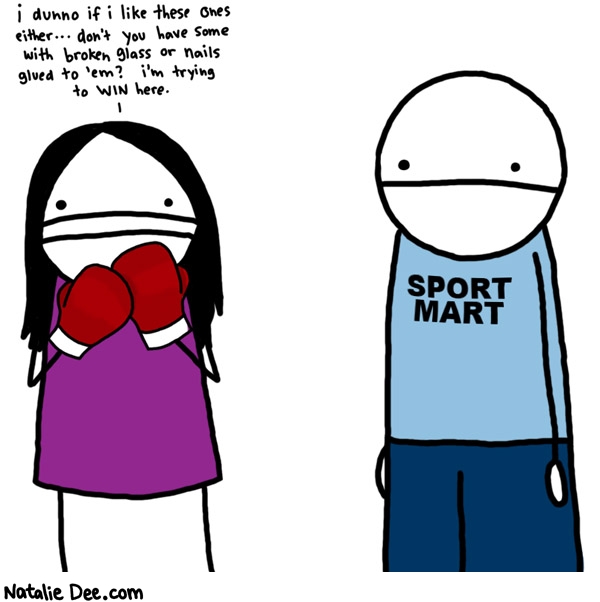
I'm a lover, not a fighter...usually


The one exception to that is in regards to cancer. I am working on doing everything in my power to "fight it". Over the long haul I hope to drastically increase my health so that cancer doesn't survive in my body. I just read an article put out by The American Institute for Cancer Research about foods that fight cancer. It was somewhat shocking to read an article like this coming out of one of the major institutes. Below is a summary of what The American Institute for Cancer Research is advising....

  • No single food or food component can protect you against cancer by itself. But scientists believe that the combination of foods in a predominantly plant-based diet may. There is evidence that the minerals, vitamins and phytochemicals in plant foods could interact in ways that boost their individual anti-cancer effects. This concept of interaction, where 1 + 1 = 3, is called synergy. (Meaning that the sum of the two parts is more powerful than the two individually- like when I tell you to use turmeric, black pepper, and yellow onions.)
  • Eating a predominantly plant based diet can help prevent weight gain and protect against those cancers whose risk is convincingly increased by higher body fat (cancers of the colorectum, esophagus, endometrium, pancreas, kidney and breast in postmenopausal women).
  • AICR recommends that at least 2/3 of your plate should be filled with vegetables, fruit, whole grains and beans. (OMG! They are so right!) Much of the laboratory research on diet and cancer suggests that eating vegetables, fruits, whole grains and beans will protect against cancer. Scientists are investigating how and why these foods may prevent the development of tumors.
    • Beans
      • The active ingredients in beans that scientists believe may play a role in cancer prevention include: saponins, protease inhibitors and phytic acid. These compounds, called phytochemicals, are found naturally in plants and appear to protect our cells from damage that can lead to cancer. Beans are also rich in fiber. 
    • Berries
      • Berries are good sources of vitamin C and fiber. According to AICR's second expert report, Food, Nutrition, Physical Activity, and the Prevention of Cancer: a Global Perspective, foods high in vitamin C probably protect against cancer of the esophagus, while foods containing dietary fiber probably decrease colorectal cancer risk.
      • All berries, but particularly strawberries and raspberries, are rich in ellagic acid. In laboratory studies, this phytochemical has shown the ability to prevent cancers of the skin, bladder, lung, esophagus and breast. Research suggests that ellagic acid seems to utilize several different cancer-fighting methods at once: it acts as an antioxidant, it helps the body deactivate specific carcinogens and it helps slow the reproduction of cancer cells.
      • Strawberries also contain a wide range of other phytochemicals, called flavonoids, each of which seems to employ a similar array of anti-cancer strategies.
      • Blueberries contain a family of compounds called anthocyanosides, which many scientists believe are among the most potent antioxidants yet discovered.
    • Cruciferous Vegetables 
      • The cruciferous vegetables include broccoli, cauliflower, cabbage, brussels sprouts, bok choy and kale. According to AICR's second expert report, Food, Nutrition, Physical Activity, and the Prevention of Cancer: A Global Perspective, non-starchy vegetables, like those listed above, probably protect against some types of cancers. This protective effect is strongest for cancers of the mouth, pharynx, larynx, esophagus, and stomach. Research on cruciferous vegetables highlights several components that have been linked to lower cancer risk.
    • Dark Green Leafy Vegetables
      • Spinach, kale, romaine lettuce, leaf lettuce, mustard greens, collard greens, chicory and Swiss chard are excellent sources of fiber, folate and a wide range of carotenoids (they act as anti-oxidants) which seem to prevent cancer by acting as antioxidants – that is, scouring potentially dangerous “free radicals” from the body before they can do harm. Some laboratory research has found that the carotenoids in dark green leafy vegetables can inhibit the growth of certain types of breast cancer cells, skin cancer cells, lung cancer and stomach cancer.
      • The Second Expert Report also noted probable evidence that foods containing folate decrease risk of pancreatic cancer and that foods containing dietary fiber probably reduce one’s chances of developing colorectal cancer.
    • Flax Seeds
      • Flaxseed is available as flaxseed flour, flaxseed meal (which has the texture of cornmeal), flaxseed oil and whole flaxseeds. The whole seeds are not digested well, so they provide little nutritional or health benefits unless they are ground.
      • Flaxseed is the best dietary source for substances called lignans. Lignans are classified as phytoestrogens (plant estrogens) because they seem to mimic the action of estrogen in the body. Note that flaxseed oil does not naturally contain lignans, although some manufacturers add them during processing.
      • Flax is also the richest plant source of one kind of omega-3 fatty acid, alpha-linolenic acid (ALA). In some studies, this fat has shown promising health benefits, including offering potential protection from heart disease and some cancers.
    • Garlic
      • Garlic belongs to the family of vegetables called Allium, which also includes onions, scallions, leeks and chives. According to AICR's Second Expert Report, Food, Nutrition, Physical Activity, and the Prevention of Cancer: A Global Perspective, foods belonging to the allium family of vegetables probably protect against stomach cancer. Moreover, the evidence in the report shows that garlic, in particular, probably decreases one’s chances of developing colorectal cancer.
      • The protective effect of garlic was shown to have a dose response relationship. In other words, highest exposure to the food showed the greatest decrease in risk.
    • Grapes
      • Grapes are a rich source of resveratrol, a type of natural phytochemical. The skin of the grape contains the most resveratrol, and red and purple grapes contain significantly more resveratrol than green grapes. Grape jam and raisins contain much smaller amounts of this phytochemical. Red wine also contains resveratrol. However, with AICR’s second expert report noting convincing evidence that alcohol is associated with increased risk for cancers of the mouth, pharynx and larynx, esophagus, breast (pre- and postmenopausal) and colon and rectum (in men), wine is not a recommended source of resveratrol.
      • Studies suggest that polyphenols in general and resveratrol, in particular, possess potent antioxidant and anti-inflammatory properties. In laboratory studies, resveratrol prevented the kind of damage known to trigger the cancer process in cell, tissue and animal models.
    • Green Tea
      • In laboratory studies, green tea has been shown to slow or completely prevent cancer developent in colon, liver, breast and prostate cells. Other studies involving green tea have shown similar protective effects in tissues of the lung, skin and digestive tract.
      • Studies that track the diets of human subjects over several years (particularly studies conducted in Asia, where green tea consumption is common) have also associated regular usage of green tea with lower risk for bladder, colon, stomach, pancreatic and esophageal cancers.
    • Tomatoes
      • The tomato’s red hue comes chiefly from a phytochemical called lycopene. Tomatoes have attracted particular attention from prostate cancer researchers because lycopene and its related compounds tend to concentrate in tissues of the prostate.
      • Lycopene, a powerful antioxidant, together with a group of related compounds collectively called the “red family,” has displayed anti-cancer potential in a variety of laboratory studies. In the laboratory, tomato components have stopped the proliferation of several other cancer cells types, including breast, lung, and endometrial.
    • Whole Grains
      • The term “whole grain” means that all three parts of the grain kernel (germ, bran and endosperm) are included. Refined grains usually have the bran and germ removed, leaving only the starchy endosperm. Brown rice is a whole grain, white rice is not. Other whole-grain foods include wheat breads, rolls, pasta and cereals; whole grain oat cereals such as oatmeal, popcorn, wild rice, tortilla and tortilla chips, corn, kasha (roasted buckwheat) and tabouleh (bulghur wheat).
      • Whole grains are rich in fiber, vitamins, minerals and hundreds of natural plant compounds, called phytochemicals, which protect cells from the types of damage that may lead to cancer. In addition research points to specific substances in whole grains that have been linked to lower cancer risk, including antioxidants, phenols, lignans (which is a kind of phytoestrogen) and saponins.
The moral of this story is that this is a HUGE step for any major cancer association to take; the reason being that there is no money in it for them to promote eating healthy to prevent cancer. Cancer is big business, billions if not trillions of dollars for the big pharma companies. I am not sure when they updated their website with this information, however I am guessing it was recently because this just popped up on my Google Alerts in an article from today. Anyway, I wrote about this in my post Cancer Fighting Superstars about 3 months ago (whoop whoop...I beat them!) But all bragging aside...it is really great that The American Institute for Cancer Research is promoting eating a plant based diet. This what we call PROGRESS!

NOTE: Soy was one of the cancer fighting foods, however if you have read my post about soy...you will understand why I did not include it. And against my better judgement I also included the partabout how the AICR does not recommend red wine ;( (that's me crying). 

Let me tell you my opinion about studies and statistics. (I hope you know by now that I have many opinions and I can't keep them inside of me.) Basically there are thousands of studies done every year, and many times the results depend on who is funding the study and the outcome that the researchers desire. I personally think that the field of nutrition is in its infancy and we don't know everything that happens when we eat all these foods. Researchers have only scratched the surface. I am more impressed with the personal triumph stories that I have been coming across; people who have healed themselves with whole foods and super foods (sometimes in conjunction with traditional cancer therapies like chemo and radiation). 

Each of us are completely different inside. I mean we all have the same organs, but the way each of those organs functions is different. That is why some people thrive as vegetarians, and some people need to eat meat. We are individuals. I can sleep 8-10 hours a night- EASY! I know people who can sleep 5 hours a night and function all day. I'm rambling. Long story short- it is more important to listen to what your body is telling you than to twist yourself up with all of these studies. 

Monday, November 7, 2011

On The Fly


It's that time of the year again...Christmas time!!! Maybe not for you, but we have a Christmas-related business that always picks up steam the beginning of November. So. Hello stressful busy season, goodbye time to cook. I am usually super fun to be around this time of year because of my tendency towards stress and anxiety, but thankfully I finished that anxiety program earlier this year and I know when I am getting stressed/anxious and am much better at stopping it before I loose my mind. Also, I've never been on a health kick like the one that I am on now so this should be interesting. I am so thankful for grocery store salad bars. This lovely little salad is packed with spinach, kale, romaine lettuce, carrots, red onion, broccoli, hard boiled eggs, kamut, quinoa, barley, black beans and wheat berries.

What the F is kamut you ask?


Well, it is actually khorsan wheat (Kamut is the brand) and is higher in protein and many minerals, especially selenium, zinc, and magnesium compared to modern wheat. The origin of this grain is disputed but it was introduced to Americans in Egypt in the 1950's.


Quinoa is a grain-like crop grown primarily for its edible seeds. It is a pseudo-cereal rather than a true cereal, or grain, as it is not a member of the grass familyQuinoa was of great nutritional importance in pre-Columbian Andean civilizations, secondary only to the potato, and was followed in importance by maize. In contemporary times, this crop has become highly appreciated for its nutritional value, as its protein content is very high (12%–18%). Unlike wheat or rice(which are low in lysine), and like oats, quinoa contains a balanced set of essential amino acids for humans, making it a complete protein source, unusual among plant foods. It is a good source of dietary fiber and phosphorus and is high in magnesium and iron. Quinoa is gluten-free and considered easy to digest. 


Barley contains eight of the nine essential amino acids. According to a recent study, eating whole grain barley can regulate blood sugar (i.e. reduce blood glucose response to a meal) for up to 10 hours after consumption compared to white or even whole-grain wheat, which has a similar glycemic index.


Beans, beans are good for your heart...the more you eat...(you know the rest). Speaking of farts, if you love beans but hate the gas it produces, add in cumin (its a spice) to whatever the beans are in. It will make them more easily digestible. 
Honestly, if this stuff wasn't labeled in the salad bar I wouldn't
be able to tell what's what. 
Wheat Berries are the entire wheat kernel (except for the hull), comprising the brangerm, and endosperm. Wheat berries have a tan to reddish brown color and are available as either a hard or soft processed grain. They are often added to salads or baked into bread to add a crunchy texture; as a whole grain, they also provide nutritional benefits since they are an excellent source of dietary fiber.
------------------------------
Over the next two months I continue to make smoothies for the first half of my day, and then probably switching between sushi, veggie sandwiches at a local deli, and Whole Foods salads. I have not been extremely hungry lately (weird!) but if I do get extra hungry, I can supplement this with granola bars or protein shakes. I am a little leery about the prepared food at Whole Foods for a couple of reasons. They portray themselves as a "health food store" but their products and prepared foods are LOADED with soy products. Also, I find some of their prepared food to taste WEIRD! I got some spring roll wrapped in rice paper with peanut sauce- it was gross to say the least. I don't know... maybe some people like their meal to taste as if it came right-out-of-the-ground. Not I said Miss Jessie. Sticking to the salad bar.


BEWARE: Most salad dressings are LOADED with garbage ingredients. It is so F-ing easy to make your own (I keep some at home and at work). Basically you can use any vinegar that you like, extra virgin olive oil, and...spicy brown mustard! That's it. Shake and dump all over your salad. Some people (not going to name names) will tell you that it has too much fat. HOWEVER! It is more important to get those veggies into your body than to worry about the fat in the olive oil. ESPECIALLY since the olive oil is a healthy fat and the one that you should absolutely be eating. FAT FREE IS NOT HEALTHY! Plus (I'm about to start bragging) I eat full fat everything (!) and I have been loosing weight. You just have to make sure that you are eating ALOT of fruits and veggies. Once you have been eating a lot of fruits and veggies your taste buds will start to change and you will need less and less dressing. You will actually like the taste of vegetables! Who-da-thunk-it?

Saturday, November 5, 2011

Milk Myth: It does a body good (Especially if it has hormones in it)


If you need another reason to start buying organic dairy products...here you go.


I have read and watched a bunch of things from doctors, authors, researchers, undercover film makers. Cutting out conventional dairy (meaning non organic) is absolutely 100% one of best things that you can do for yourself...especially if you are worried about cancer. Actually, if you are really worried about your health and cancer I would cut out as much dairy as you possibly can. I mean I know that suggestion may have just blown your world to pieces, but seriously...

I was one of you...How am I going to cut cheese out of my diet? I LOVE CHEESE! And what am I going to put in my coffee? It took me a full year to slowly cut dairy out of my diet, and then I didn't eat dairy for a few years. This was not because I was worried about my health...this was because I was having back-end blowouts ALL THE TIME. It was starting to disrupt my social life.

Just recently I got over my coffee addiction by crowding it out with smoothies, so I drink almost no half and half anymore. I eat Greek yogurt every once and a while and only eat cheese on special occasions (or when I am nursing a hangover).

IF I CAN DO IT YOU CAN DO IT!

And...you do not need milk for strong bones. Just a tidbit of information...there is more bio-available calcium in dark green leafy vegetables than there is in milk. (Bio-available means that our bodies can absorb it better). Asians don't have Got Milk? campaigns, and you don't hear about old Asian ladies breaking hips. If they live without dairy, so will you.

Friday, November 4, 2011

Alternative Cancer Therapies


Ok, folks. I know I have been hitting you with a lot of serious information lately. I promise I will write about another poop-my-pants-story soon (Did you think that FIBER: When Doody Calls was the only one I had?) This, however, may just be the most important information I have come across. I spent all last week listening to lectures/interviews from the leading alternative/integrative cancer specialists.

“What gets us in trouble is not what we don’t know. It is what we know for sure that just isn’t so,” by Mark Twain

When my Nani was diagnosed with Pancreatic cancer a year and a half ago, we scrambled to find as much information as we could about alternative cancer therapies. Unfortunately, we did not find any of this information. My hope is that this will help someone reading this, or if you know someone pass along the information, because there are real options besides just chemo and radiation or in conjunction with chemo and radiation. The information is a summary of each of the doctor and/or clinic including the contact information that the lectures gave or I have found.

Nicholas J. Gonzalez, MD PC
Linda L. Isaacs, MD
36A East 36th Street
Suite 204
New York, N.Y. 10016
Phone: 212-213-3337

  • The Gerson Institute
    • Co-author of The Gerson Therapy: The Proven Nutritional Program for Cancer and Other Illnesses by Charlotte Gerson and D.P.M., Morton Walker
    • Co-author of Healing the Gerson Way: Defeating Cancer and Other Chronic Diseases by Beata Bishop, Joanne Shwed, and MD, Ph.D. Abram Hoffer Charlotte Gerson
    • Co-author with her father (the founder) A Cancer Therapy: Results of Fifty Cases and the Cure of Advanced Cancer by Max Gerson and Charlotte Gerson
    • The Gerson Therapy is a safe, natural treatment developed by Dr. Max Gerson in the 1920s.The Therapy activates the body's extraordinary ability to heal itself through an organic, vegetarian diet, raw juices, coffee enemas and natural supplements. The Gerson Therapy treats the underlying causes of disease: toxicity and nutritional deficiency.
    • The Gerson Therapy is a non-specific treatment that effectively treats many different conditions by healing the body as a whole, rather than selectively targeting a specific condition or symptom.  Over the past 60 years, thousands of people have used the Gerson Therapy to recover from so-called "incurable" diseases, including:
      • Cancer (including melanoma, breast cancer, prostate cancer, colon cancer, lymphoma, pancreatic cancer and many others)
      • Diabetes
      • Heart disease
      • Arthritis
      • Auto-immune disorders
      • ....and many others
    • www.gerson.org
The Gerson Institute 
P.O. Box 161358 
San Diego, CA 92176
(888) 443-7766
(619) 685-5353
info@gerson.org

  • Oasis of Hope Hospital
    • Dr. Francisco Contreras is a clinician, working in the trenches. Clinicians are not the ideas people; they are the medical professionals that are dealing with how those therapies work on actual people. He has authored 12 books. His father was one of the first pioneers of alternative cancer therapies.
    • Author of Beating Cancer: Twenty natural, spiritual, and medical remedies that can slow--and even reverse--cancer's progression
    • Author of Fighting Cancer 20 Ways: Preventing It. Reversing It.
    • Author of An Alternative Guide to A Healthy Heart
    • Author of The Hope of Living Cancer Free
    • It is impossible to design a single cancer treatment that is effective against all types of cancers. For this reason, Oasis of Hope has developed the Integrative Regulatory Therapy. The IRT, as it has become to be known, is a combination of integrative and complementary cancer treatments designed to shrink primary tumors, slow the growth of tumors, and eliminate cancer cells that have spread (metastasized) to other parts of your body. At the same time, the Integrative Regulatory Therapy protects your normal healthy cells, boosts your immune system, blocks the angiogenic process that supports cancer growth, and minimizes cancer-induced cachexia (side-effects).
    • The IRT is designed so it can be personalized depending on the type of cancer, stage, and the physical condition of the patient. The treatment can be modified as needed to ensure that the therapy is effective and well tolerated by the patient.
    • www.oasisofhope.com
    • USA Phone: 1-888-500-HOPE or (619) 690-8400

  • Center For New Medicine
    • Founded by Dr. Connealy. This center treats the WHOLE person, and is open to all potential treatment possibilities. She has over twenty years of experience in finding the ‘root cause of an illness’, and has taken numerous advanced courses, including homeopathic, nutritional and lifestyle approaches, while studying disease, chronic illness, and cancer treatments.
    • Conventional medicine has found itself ill equipped to deal with the epidemic of degenerative diseases that touches practically every household in America. The "official" medicine developed in the 20th century is outstanding when it comes to treating trauma but has proven unable to effectively treat heart disease, diabetes, cancer, arthritis, Alzheimer’s and the host of other plagues that afflict so many.
    • For this reason, Center For New Medicine shies away from the toxic aspects of conventional medicine, using drugs and surgery only when such intervention is really necessary. Instead, we focus on therapies that support the body’s innate defenses and healing mechanisms.
    • Our "New Medicine" combines the best of modern scientific medicine with natural healing traditions that have been proven effective. Our clinic contains some of the world’s most technologically advanced medical equipment — equipment that you’ll find only at select university research hospitals. But our "prescriptions" routinely feature customized dietary and lifestyle recommendations, natural nutritional supplements and other complementary therapies.
    • http://www.cfnmedicine.com/
    • www.centerfornewmedicine.com
6 Hughes St., Suite 100
Irvine, CA 92618

Tel: 949-680-1880

  • Dr. Thomas Lodi
    • He searches around the world for less toxic cancer therapies. The body’s job is to regenerate and reproduce. The fundamental way we heal is inflammation. After a few days the swelling and redness will go down. When you are constantly inflamed it is called chronic inflammation. Inflammation is great to heal a wound, but not so great when it is chronic. The body wants to maintain homeostasis. What we need to do is remove the reason for chronic inflammation. C Reactive Protein is an indicator of overall inflammation in the body. 
    • Our program has 3 parts: we teach you how to stop making cancer, we try to get rid of the cancer, and we teach you how to maintain homeostasis. 
    • You don’t really want to care about nationwide protocols because cancer is different in every body. So you want to find out what chemo is going to work for your cancer. We send out samples of live tumor to get tested for which type of chemo will work to kill it.
    • www.anoasisofhealing.com 
    • www.stopmakingcancer.com
    • 480-834-5414 

  • Dr. David Getoff
    • The most effective way to get rid of cancer is to increase the nutrition with supplements, herbs, vitamins, minerals etc, and to get out the toxins. We also have to adequately detox the kidney and liver so they function properly. We also have to detox the body of heavy metals and other toxins. 
    • In order to fight cancer you must:
      • Accept that you have it,
      • Understand the diagnosis,
      • Understand your prognosis,
      • Believe you can fight it,
      • Be willing to fight it, and
      • Have all of the necessary information regarding what to do and what not to do.
    • www.naturopath4you.com
    • www.ppnf.org 
    • www.davidgetoff.com
Naturopath4U@aol.com
(619) 468-6846
P.O. Box 803
Jamul, CA   91935

  • Burton Goldberg
    • By using the best of both worlds - conventional medicine and alternative medicine - you can have your best opportunity for a healthy outcome.
    • He’s spent over 30 years carefully researching every aspect of holistic medicine, from California to Israel, Mexico to Russia.
    • What you most need to know about Burton Goldberg is that he has a mission to reform American medicine and to help Americans reclaim their health. He wants people to know that with alternative medicine, every disease is reversible. In trauma and emergency situations, mainstream medicine can work wonders. But in the vast majority of health conditions, alternative medicine has the treatments that can help. These effective alternative treatments are based on clinical studies and verifiable results--results that have been ignored by conventional medicine. But patients are changing this, patients want therapies that work, that give them healing, and that don’t bankrupt them. 
    • http://www.burtongoldberg.com
    • www.forperfectbalance.com
    • 415-725-3555

  • Mike Adams
    • The only thing that stands between a person and their own perfect health is information. Empowered with the right information, anyone can improve their health, reduce their dependence on prescription drugs, enhance their quality of life and expand their mental awareness and creativity.
    • Achieving outstanding health is not complicated. The human body already knows how to be healthy. All you have to do is give your body outstanding nutrition so that it has the building materials it needs to heal disease and rebuild itself from the inside out. You must also avoid all of the foods and food ingredients that cause disease. Today, more than 95% of all chronic disease is caused by food choice, toxic food ingredients, nutritional deficiencies and lack of physical exercise.
    • http://www.healthranger.org/

  • The Burzynski Clinic
    • Antineoplastons are molecules that are peptides found in the human body. In a cancer patients blood sample compared to a healthy person’s blood sample there is a lack of the peptides. He extracted them, studied, tested them, and found that they have strong anti-cancer properties and also did not affect healthy cells. In the 1960s he was not sure how they worked, but now we have more information about how it is the genes that affect how this works. It basically turns on genes that suppress tumors and turns on the cancer fighting genes.
    • www.cancermed.com
    • www.burzynskipatientgroup.org
    • 713-335-5697

The moral of this story is that if you have cancer, there are other options besides traditional chemotherapy and radiation. Do your own research! Figure out which treatment makes sense to you. All of these "alternative" therapies are based on healing the body with nutrition, however some of them combine traditional chemo and radiation therapies. There are also other aspects to each of these therapies that are too numerous to list, but all of the information is provided on their websites. 

Although I have not been diagnosed with cancer thus far, I know that if it ever happens I will be researching an alternative, integrative therapy that heals the body while getting rid of the cancer. I believe that nutrition is such a powerful healer, and after listening to these doctors' and clinicians' testimony and their success rates, I am convinced that this natural way is going to be the wave of the future. 

As with everything, there are no guarantees. These therapies are not 100% successful and these doctors/clinics will tell you that. They will also tell you whether there are certain types of cancer that they do not treat. I am not advising anyone to use these specific doctors or clinics, I am just passing along information. You should consult with your oncologist about these therapies. If he/she dismisses it, and you believe in it and want to pursue it...you might want to consider finding another oncologist. It is your life, and most oncologists are pushing archaic treatments without giving any thought to nutrition. 

Please pass this on to anyone who you think may benefit from this information!

Thursday, November 3, 2011

Breastfeeding: that's what boobies are there for


Sorry guys, no pictures of boobs :( Although I am no where near being pregnant or thinking about having to breastfeed, I came across a section in the book The Whole Soy Story by Kaayla T. Danie, PhD, CCN that was related to soy in infant formulas as well as using soymilk instead of formulas. So I thought I would elaborate in case some of you out there are pregnant or have a newborn. All of the information in this post comes from the book mentioned above and The Womanly Art of Breast Feeding by the La Leche League International (plus my own humble thoughts).

First I will start with the benefits of breastfeeding your baby:

  • There is no formula that comes close to the milk your body creates. Your milk has every vitamin, mineral, and other nutritional element that your baby's body needs (including many that have not even been discovered or named yet. 
  • Your breast milk changes throughout the meal, day, and year to match the subtle changes in your babies requirements. 
  • Living cells that are unique to your milk inhibit the growth of harmful bacteria and viruses in his or her still maturing system.
  • Colostrum, the milk you produce in small amounts in the first couple of days after your baby is born (and which you start producing while you are pregnant) has concentrated immunological properties that are your baby's first protection against all the germs he or she is suddenly exposed to. This "first milk" contains an anti-infective agent that coats his or her intestines to protect against the passage of germs and foreign proteins that could create allergic sensitivities. 
  • Breastfeeding deepens your attachment to each other
  • Without it's mother's breast milk, the baby is at a higher risk of:
    • ear infections
    • intestinal upsets 
    • respiratory problems
    • allergies
    • dental problems
  • Without it's mother's breast milk, the baby's vision, nerves, and intestines don't develop fully. His or her kidneys and liver work harder to process the waste products from the formula. He or she will need more of any medication to get the same effect, his or her immune system's response to vaccinations is less effective, and the risk of SIDS (Sudden Infant Death Syndrome) are higher. (Source: The Womanly Art of Breastfeeding by the La Leche League International)
Now on to what I read about soy milk and infant formulas...

News headlines about babies being severely damaged by soy milk used as a substitute for infant formula sent ripples through the health food industry in 1990. The first story came from Arkansas where a severely malnourished 5 month old baby was admitted to a hospital for heart failure, rickets, vasculitis and neurological damage. This baby had been fed nothing but SoyMoo since she was 3 days old. An analysis of the soy milk revealed deficiencies in calcium, niacin, and vitamins D, E and C. On June 3rd, 1990, after several other cases had been publicized, the FDA issued a warning about using soy milk instead of infant formula saying they were "grossly lacing in the nutrients needed for infants" and asked all manufacturers, importers and private label distributors to put warning labels on soy milks so they would not be used as formula substitutes. 

Soy infant formula was never used traditionally in Asia. Babies who could not be breastfed by their birth mothers received homemade dairy formulas made with mare, water buffalo, cow, or goat's milk, were breastfed by a wet nurse...or died. Inventors of the first soy formulas were westerners with very good intentions- to save babies that would not otherwise have survived. (Did I ever tell you the saying "the road to Hell is paved with good intentions"? NO? Well it's true. Good intentions do not promise good outcomes.) 

Here were some of the problems with the original soy formulas from the 1940's-1960's:
  • vitamin A deficiencies
  • vitamin K deficiencies
  • vitamin B12 deficiencies
  • calcium deficiencies
  • zinc deficiencies
  • iron deficiencies
  • gastrointestinal side effects
  • thyroid damage
  • too much manganese associated with brain damage, learning disabilities, ADD, violence- AWESOME!
Soy infant formula manufacturers have also failed to match the fatty acid profile of breast milk. Soy formulas also lack cholesterol, a vital substance needed by the growing babies brain and nervous system. Human breast milk is something like 50% cholesterol (I read that somewhere recently- not from this book), AND breast milk contains a special enzyme to ensure that the baby absorbs all the cholesterol available. 

Soy formulas also adversely effect the immune system leading to more infections than breast or cow's milk formulas. 

And the best part about all of this is! Soy formulas are made with soy protein isolate (SPI) which is the product of a high-tech industrial processing involving high temperatures, high pressures, solvent extraction and alkaline baths. These processes compromise protein, vitamin and mineral quality and create toxins. Soy formulas also contain levels of aluminum 10 times greater than milk-based formula and 100 times greater than breast milk- which can negatively affect bone and nervous system development. 

The ingredient lists of most brands of soy formula reveal many additives of questionable safety such as carrageenan, guar gum, sodium hydroxide (caustic soda), potassium citrate monohydrate (must be so healthy!), tricalcium phosphate, dibasic magnesium, phosphate trihydrate, BHA, and BHT. Wow, I don't know about you but I don't know what any of that S-H-I-T is?!? 

WHAT THE F- ARE YOU ABOUT TO FEED YOUR PERFECT NEWBORN BABY?????? 

AFTER EVERYTHING I HAVE BEEN WRITING ABOUT NOT FEEDING YOURSELF CHEMICALS...PLEASE, PLEASE, PLEASE DO MORE RESEARCH IF YOU STILL NEED TO BE CONVINCED OF NOT FEEDING YOUR PERFECT BABY THIS GARBAGE!


"Some mothers say they don't want to breastfeed because they don't want to be tied down, but most breastfeeding mothers will tell you that breastfeeding actually frees them up! No measuring, spilling, or heating. No planning, leftovers, or spoilage. Most likely a lot fewer trips to the doctor. Your milk is always available, always the right temperature, and never spoiled, no matter how hot or cold it is outside. The money that you don't spend on formula in a year could pay for a high-end appliance. And- this is a big one- in an emergency of any kind, from a minor problem to a natural disaster that means shortages of formula and clean water to prepare it, breastfeeding your baby is one way to ensure you'll always have a way to feed him or her," writes the La Leche League in their book The Womanly Art of Breastfeeding.

Here are some other links to more information:

http://www.breastfeeding.com/
http://www.llli.org/nb.html
http://en.wikipedia.org/wiki/Breastfeeding
http://www.kellymom.com/bf/

Wednesday, November 2, 2011

What Happened?

Have you ever wondered why people used to be so good looking and now most people look unkempt and slovenly? This randomly popped into my head today (and I know it has nothing to do with food- or does it?). I was thinking about all the old school actors and actresses and how they were all so good looking! 

This is what used to be worshiped:


And now we have this....


WTF happened? There has to be a connection between how sick our society has become and the way that people look and present themselves.

Who else deserves to be on the DO NOT WATCH LIST??

This "Health" Food's SOYld Reputation

By the way...if you haven't noticed I'm becoming obsessed
with Natalie Dee's comics
Yesterday I wrote about why I eat canned salmon instead of canned tuna- it is because I have not found a brand that doesn't have soy in it. I know that I have mentioned before that I read a book about the dangers of soy and immediately after embarked on a personal mission to cut all soy out of my diet. Let me explain to you why I was compelled to cut out this so-called health food.

Everyone is in a soy-frenzy and it has become the new "healthy" choice. It seems like a great option for vegetarians and vegans. How would they get their protein anyway? That's what I used to think.

Well the book I read was The Whole Soy Story by Kaayla T. Daniel, PhD, CCN. It is a thick book, almost 400 pages with another 40 pages of end notes. This is not a light read. I was getting the "Why the hell are you reading that?" looks from EVERYONE! So here it goes...I am going to try to condense 400 pages into a few paragraphs...

  • A brief history of soy in the east...The soybean is one of the five sacred grains along with rice, millet, barley, and wheat. However, the soybean is a legume not a grain, and it was originally not used for food like the other sacred grains. Farmers originally grew soybeans as "green manure"- as a cover crop plowed under to enrich the soil between plantings of food crops. Soybeans are very good at capturing nitrogen from the air and delivering it to the plants roots in the soil. Soy went from fertilizer to fermented food about 2500 years ago. Until then the Chinese considered soybeans inedible- they were only found edible after the discovery of of processing methods that could largely deactivate an anti-nutrient found in soybeans known as the trypsin inhibitor. Trypsin inhibitors are chemicals that reduce the availability of trypsin, an enzyme essential to nutrition of many animals, including humans.
  • The process of fermentation uses bacteria, fungi, and other beneficial microorganisms to help breakdown complex proteins, starches, and fats into highly digestible amino acids, simple sugars, and fatty acids. The ancient Chinese originally used this process to preserve fish, shellfish, game, and meat. Then came chiang (the original form of miso), soy sauce, natto, tempeh, but not until after the 4th century AD. As some of you may know, there are records of the Chinese culture that go back 5000+ years. The ancient Chinese did not eat soy. The fermented products we know now like miso and tofu did not come about until a few hundred years ago. 
  • Since the 1950's the market for processed foods has seen explosive growth- most of them containing soybean oil. The industry found itself saddled with leftover sludge (yum) from soybean oil manufacture which it could either dump or promote. Which do you think it did? "The quickest way to gain product acceptability in the less affluent society," said a soy-industry spokesperson back in 1975, "...is to have the product consumed on its own merit in a more affluent society." Enter: imitation meat, milk, cream, cheese, yogurt, ice cream, candy bars (I think she means protein bars), smoothies, breads, infant formulas, chocolate, and meat extenders to name a few. 
  • For years, the soy protein left over from oil extraction went exclusively to animals, poultry, and, more recently, fish farms. Today the industry aggressively markets soy protein as a people feed as well. Soy is now an ingredient in nearly every food sold at supermarkets and health food stores. The industry also makes a profit off of other waste products, most notably soy lecithin (an emulsifier that replaced eggs), protease inhibitors (digestive distressers sold as cancer preventatives), and isoflavones (plant estrogens promoted as "safe" hormone therapy, cholesterol reducers, and cancer cures). 
  • Soy is now genetically modified which is monopolized by Monsanto. If you haven't ever read anything on GMOs please read my post.
  • This is so typical of the US FDA..."While the Food and Drug Administration (FDA) has approved a heart healthy claim for soy protein, the agency also lists soy in its "Poisonous Plant Database." A search of the word "soy" in the database reveals 256 references, including studies that warn about goiter, growth problems, amino acid deficiencies, mineral malabsorption, endocrine disruption and carcinogenesis.
  • All soybeans contain anti-nutritional factors (which is the opposite of what you want to eat) and toxins. Mother nature put them there to block seeds from sprouting prematurely and to harm insects and other predators (humans) that would otherwise eat too many of them. Unfortunately, they can harm us as well unless the soy beans are properly processed to neutralize them- i.e. fermentation. 
  • Soy's other "healthy" effects on the human body:
    • can lower testosterone levels in men
    • can cause allergic reactions...soy is one of the top 8 allergens
    • goitoestrogens damage the thyroid
    • lectins cause red blood cells to clump together and may cause immune system reactions
    • oligosaccharides are the pesky sugars that cause bloating and flatulence (farts)
    • oxalates prevent proper absorption of calcium and have been linked to kidney stones and painful disease known as vulvodynia 
    • phytates impare absorbson of minerals such as zinc, iron, and calcium
    • isoflavones are phytoestrogens (plant estrogens) that act like hormones and affect the reproductive and nervous systems
    • protease inhibitors, most notably trypsin inhibitors interfere with the digestive enzymes protease and trypsin. This can lead to gastric distress, poor protein digestion and an overworked pancreas
    • saponins bind with bile. They may lower cholesterol and may damage the intestinal lining
Fermented soybean products enjoy high honor throughout Asia as digestive aids, potent medicines, powerful energizers, stamina builders and longevity elixers. Treasured as more valuable than gold, the molds and cultures used to make miso, shoyu, natto, tempeh and other fermented soybean products are often heavily ensured and safeguarded in vaults. Those, along with soy sauce, are the only acceptable ways to eat soy. Soy protein is notoriously hard to digest unless enzymes and microorganisms go to work on it first. These tiny workers not only predigest the soybeans, but deactivate the powerful protease inhibitors that inhibit our digestive enzymes and overwork the pancreas. 

A WARNING ABOUT SOY SAUCE: The soy sauce-like products most commonly sold in American supermarkets and used in Chinese restaurants are commonly made in 2 days or less. This process is not the traditional fermentation and uses hydrocholoric acid to break down the soybeans, followed by sodium carbonate to neutralize the brown liquid. Sugars, caramel coloring and other flavorings are added before further refinement, pasteurization and bottling. A true soy sauce should say "naturally brewed, fermented for over a year", and should also only have a few ingredients- soy, water, salt and possibly wheat.

Long soy story short, all of the soy products that appear in our foods are not natural. They are heavily, heavily processed. The soy products show up in most processed food as: soy protein isolate, soy protein concentrate, soy flour, soy oil, hydrogenated and partially hydrogenated soy oil, textured vegetable protein,  textured soy protein, soy lecithin, hydrolyzed vegetable protein (PS..that's MSG).

Here's a fun fact about soy protein isolate. Before 1958 it was only used as an industrial product to bind and seal paper product. Think about that next time you open up a fresh ream of computer paper. That glue that is holding the packaging on there is quite likely the same stuff that is in your protein shake. 

I know this was a long one with a lot of information, but hopefully you are taking something away with you (that you are never going to buy anything with soy in it ever again!). I would not have spent weeks reading this book, hours and hours scouring my grocery store for products without soy in them, and probably hundreds of dollars of donated food (from my pantry) if I did not believe 100% that the soy that we are being told is healthy for us is actually poisonous to our bodies. 

There....I've said my piece.

Tuesday, November 1, 2011

Collards

Collard greens to me were always a vegetable that southern black people and Paula Dean simmered down with lard and served with cornbread and pulled pork. Low and behold they can be very healthy for you. Who-da-thunk-it? They are actually part of the dark green 4-some that I rotate into my smoothies (the other 3 are spinach, kale, and Swiss chard). 


So I bought a bunch the other day to make wraps with (learned it from Lisa). The first try was a messy failure so I put part of the bunch back in the refrigerator and the rest in the freezer for my smoothies. This morning when I woke up, still reliving memories of the White Castle episode the other night, I decided to try the wraps again. 
I tried to make my hand look graceful, but it just wasn't happening
from this angle. 
Much better. I made a salmon salad and wrapped it in cucumbers and the collard leaves. In the salmon salad was:

  • Bumble Bee canned salmon (skinless boneless- you could pretend it is tuna and no one would know the difference)
  • Spectrum canola mayonnaise 
  • spicy brown mustard
  • 1/2 green apple
  • 1 yellow onion
  • 1 stalk celery
  • turmeric
  • black pepper


Let me explain a little about the ingredients in this salmon salad. First of all, I use canned salmon instead of canned tuna because they put soy in the tuna. I am not sure if it is in the watery broth or if they use it as a filler so they don't need to put as much fish in each can. My guess would be the latter. (P.S. you know the frozen hamburger patties you buy? They have soy as a filler too...it's common practice these days.) That would also explain why a can of tuna is so much cheaper than salmon.  

Secondly, you might be asking why I put turmeric and onions and black pepper in this salad. It is because this trio has been shown to magnify the healing effects of the others. Turmeric is a powerful spice that has been used for centuries. It has anti-inflammatory effects on the body, as well as: 
  • natural antibiotic
  • anti-oxidant
  • helps aid in digestion
  • maintains & improves intestinal flora
  • purifies the blood
  • reduces gas and bloating
This is just a snippit of the long list of turmeric's healing properties. It is well known that  humans however, cannot fully absorb turmeric unless it is in the presence of black pepper. I also just recently found out that if turmeric (and pepper) are paired with raw yellow onions, its healing effects are multiplied. So next time you make chili, add some turmeric and pepper and top with raw yellow onions. 

In the meantime, try out collards as wraps. In this meal alone I ate 1 fruit and 4 different vegetables. That was after my morning smoothie. I'm already up to 10 fruits and vegetables and it isn't even dinner yet. If you are looking for another way to substitute refined carbs with vegetables try RAW: Zucchini

Monday, October 31, 2011

The Next Year


About 2 months ago I started classes at the Institute for Integrative Nutrition which is an 11 month program that trains people to become health coaches. Classes are all online and at the end you are a Certified Holistic Health Coach (if you pass all of the tests). I decided to go the semi-formal education route because for the past year and a half I have been going in circles. I would find a book, read it, cut something out of my diet, find another book, read it, and cut something else out of my diet. I felt as if I was focusing on needles in a haystack and wanted a broad perspective view on all of this. At IIN they are teaching us the pros and cons of 100 different dietary theories (like Atkins, RAW, Macrobiotics, etc).

Another great aspect of this is that they also put a lot of importance on the rest of your life: relationships, career, stress levels. This is such an important point, because your health is not just about the food that you eat. It is about how you think about things from day to day, how happy you are with your relationships with your family, friends, and significant others. It is about whether you wake up having an anxiety attack or you can think about things rationally. It's about whether the people in your life support you or drain you. It's about the quality of life that you want to have vs. the quality of life that you do have.

When I first started this I really had no idea of what I wanted to do with this certification other than to give me some letters after my name so it looked like I was somewhat credible when I go to try to publish the book I am writing. As some of you know, I am not a doctor, nurse, or PhD. Although I do have a masters degree, it has nothing to do with health and wellness; my formal education is in architecture.

While I have been working on putting together a guide for people to use to transform the way they eat from the typical American diet of a lot of processed foods loaded with bad fats and simple sugars (like me a year and a half ago) to making healthy informed decisions that will impact their health, I have decided what I would like to accomplish with this certification. When my Nani was diagnosed with Pancreatic Cancer last year, I scrambled around to find information quick about what I could cook that would be healthy for her and also give her energy to get through chemo. I didn't have all of the pieces to the puzzle. I only wish that I had the information back then that I do now. I want to help people recently diagnosed with cancer and their families cope with making the transition from not caring what they eat to eating foods that can help their body heal itself (with or without the use of traditional chemotherapy and/or radiation). I want to help people who know they need to make changes but do not know what to do or where to start.

Over the last week I listened to 5 nights of integrative cancer therapy doctor's, researchers, and cancer survivors. What I heard was absolutely amazing and sealed the deal for me in terms of my belief that what we do to our body has an impact on our health. I REPEAT, THE CHEMICALIZED PROCESSED FOOD THAT WE EAT, THE ALCOHOL THAT WE DRINK, THE FRUITS AND VEGETABLES THAT WE SKIP OVER DEFINITELY HAS AN IMPACT ON OUR BODY'S ABILITY TO FIGHT OFF CANCER. It was roughly 10 hours worth of lecture that I will be summarizing and posting sometime this week.

Anyway, as part of this certification, I need to conduct health histories. A health history is basically an informal interview to talk about your health, your family history, what is going on right now in your life that may be effecting your health, and what you would like to improve. If you are interested in meeting with me for a health history consultation please email me at jessicageier@gmail.com. It is completely confidential, and free. I cannot actually sign clients for another 4 months, but I need the practice. If, at the point I can take clients on, you would like to become my client I would be thrilled. No pressure! So please, email me or call me if you have my phone number (sorry not giving that out over the internet).

Thank you to everyone who reads my stories!!!

Sunday, October 30, 2011

Operation Damage Control

Congrats Laura & Tom!!! Such a fun wedding!
Wedding + old friends + copious amounts of wine + White Castle = HUNGOVER!
Snowy Saturday + no motivation + more wine + Chinese food = OPERATION DAMAGE CONTROL

I'm sure that you can relate. It was a fun filled weekend with childhood friends, lots of wine, unhealthy food, and cigarettes. Yes cigarettes. I hate to admit it, but sometimes when I drink wine I smoke a few cigarettes. You may be saying, "How can you do that? You are supposed to work on being healthy!"

I KNOW! But knowing is half the battle. I know I shouldn't be eating White Castle, but when it's 2 am and I'm drunk...White Castle wins. The cigarette craving is leftover from college (which was when I smoked A LOT when I drank). 

The moral of this story is that you can't be perfect 100% of the time. But when you are done being imperfect...put on your healthy girl panties and go for a run, make a green smoothie, and file those fun times away until next time. 
Related Posts Plugin for WordPress, Blogger...